
Interesting Facts About the Great Wall of China
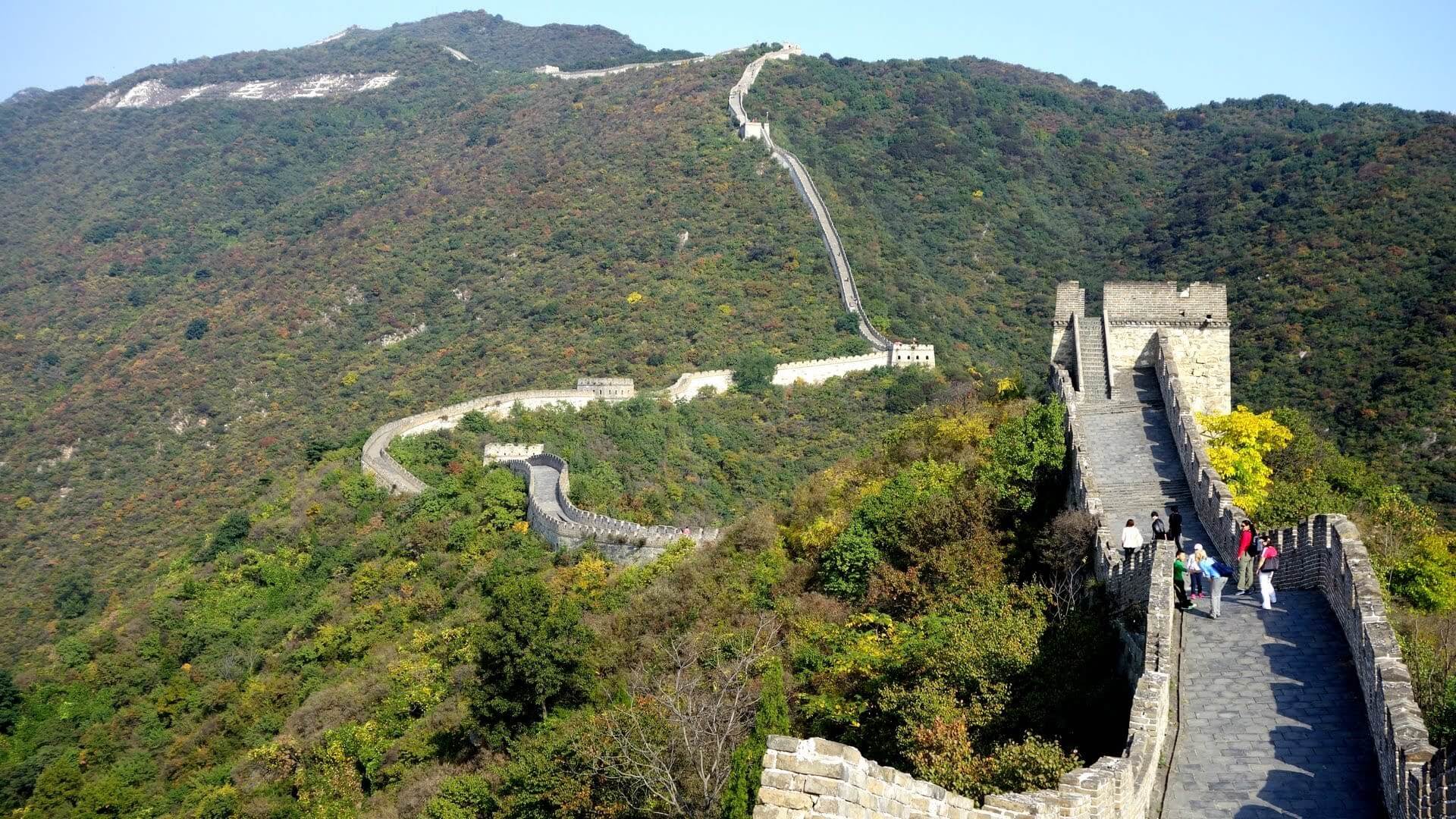
The Great Wall of China, located in Northern China, is one of the most awe-inspiring wonders of the ancient world. Stretching across rugged mountains, deserts, and grasslands from Beijing to Gansu Province, it stands not just as a physical structure but also as a symbol of China’s enduring strength, history, and cultural pride. For centuries, it has captured the imagination of travelers, historians, and adventurers worldwide.
However, how much do you really know about this magnificent landmark? Beyond being the world’s longest wall, the Great Wall holds fascinating stories, surprising facts, and remarkable engineering feats that continue to amaze modern scholars.
In this article, we’ll uncover interesting facts about the Great Wall of China—from its construction and purpose to its cultural significance and myths.
A Brief History of the Great Wall of China
The Great Wall didn’t appear overnight. Instead, its construction spanned over 2,000 years, with different dynasties contributing sections. The earliest walls date back to the 7th century BC, but the most famous and well-preserved parts emerged during the Ming Dynasty (1368–1644).
Originally, Chinese rulers built it to protect states from northern invasions, particularly by nomadic tribes from Inner Mongolia. Over time, the Wall evolved into not only a military defense system but also a powerful symbol of unity and authority in East Asia.
Top Interesting Facts About the Great Wall of China
1. It’s Not Just One Wall
Although it is called “The Great Wall,” the structure is actually a collection of walls, trenches, and natural barriers like rivers and mountains. Different dynasties built and rebuilt sections across Beijing, Hebei, Shanxi, Ningxia, and Gansu, creating a massive defensive network rather than a single continuous line.
2. The Wall is Over 21,000 Kilometers Long
One of the most striking facts is its length. Modern surveys confirm that the Great Wall stretches 21,196 kilometers (13,170 miles) across 15 provinces of Northern China, making it the longest man-made structure in the world.
3. Millions of Workers Built It
Historians estimate that more than one million laborers took part in building the wall. Soldiers, peasants, and prisoners worked on different sections across regions like Henan, Shandong, and Shaanxi. The effort was enormous, and unfortunately, it often cost thousands of lives.
4. Nicknamed the “Longest Cemetery on Earth”
Because so many workers died during construction, people began calling the Wall the “longest cemetery on Earth.” Many of the dead were buried near the wall, particularly in remote areas like Gansu and Ningxia, turning the structure into a solemn memorial as well as a defense line.
5. Builders Used Local Materials
Workers did not rely on a single material. Instead, they adapted to geography. In the mountains of Hebei and Shanxi, they used stones. In the deserts of Gansu and Inner Mongolia, they compacted earth. In other regions, they relied on wood and bricks. This resourceful use of local materials made the construction more efficient.
6. It’s Visible from Space? A Myth!
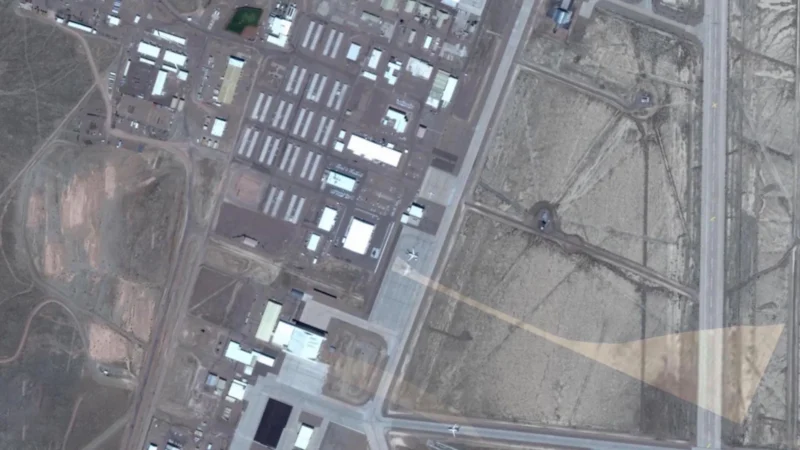
Contrary to popular belief, astronauts cannot see the Great Wall from the moon with the naked eye. This myth spread widely, but scientists and space travelers have debunked it. At most, the Wall may be visible from low Earth orbit under perfect conditions, just like highways or airports.
7. The Wall Includes Watchtowers and Fortresses
The Great Wall is not only a barrier—it is also a sophisticated defense system. Watchtowers, barracks, garrison stations, and signal fire platforms stretched from Beijing to Inner Mongolia, helping soldiers communicate and defend against attacks.
8. Some Sections Have Fallen into Ruins
Despite being a global treasure, large portions of the Wall in remote provinces like Ningxia and Gansu have deteriorated. Harsh weather, erosion, and human activity damaged them. Today, only about 30% of the Wall remains well-preserved, while tourist sections near Beijing, such as Badaling and Mutianyu, remain strong.
9. It Controlled Trade and Immigration
The Wall did more than repel invaders. It also regulated trade along the Silk Road, which connected China to Central Asia and Europe. Soldiers stationed along provinces like Gansu monitored who entered and left China, helping protect resources and manage immigration.
10. UNESCO World Heritage Site
In 1987, UNESCO recognized the Great Wall of China as a World Heritage Site. This designation highlighted its immense cultural and historical importance in Asia and the world.
11. A Symbol of National Pride
Today, the Wall serves as a national symbol of strength, resilience, and ingenuity. Millions of visitors travel to Beijing, Hebei, and Inner Mongolia each year to walk along its ancient stones and experience history firsthand.
Cultural Significance of the Great Wall
The Great Wall represents more than stone and earth—it symbolizes endurance, pride, and unity. Chinese sayings like “不到长城非好汉” (“He who has never been to the Great Wall is not a true hero”) show how deeply the Wall resonates in national identity.
Moreover, poets, artists, and writers across China and East Asia have long drawn inspiration from the structure. For many, the Wall reflects determination and sacrifice, qualities still admired today.
Modern-Day Tourism and Preservation
In modern times, the Great Wall attracts over 10 million visitors annually. Popular tourist-friendly sections such as Badaling, Mutianyu, Jiankou, and Simatai near Beijing have been restored to welcome international travelers. On the other hand, remote and crumbling areas in Gansu and Ningxia appeal to adventurous explorers seeking authenticity.
The Chinese government, supported by UNESCO, continues to restore and preserve many sections across 15 provinces. These efforts ensure that future generations will enjoy the Wall and understand its importance.
Surprising Facts You Might Not Know
- Some parts of the Wall now lie underwater due to dam projects in Northern China.
- The Wall snakes across Hebei, Beijing, Shanxi, Ningxia, Inner Mongolia, Henan, Shandong, and Gansu.
- Legends claim that dragons guided workers during construction.
- Tourists once carved graffiti into the bricks, but stricter laws now protect the Wall.
- Builders even mixed sticky rice into mortar for added strength!
Why the Great Wall Still Matters Today
The Great Wall continues to matter because it stands as:
- A symbol of human achievement – Built with simple tools, it still spans thousands of miles across East Asia.
- A cultural icon – Embodying China’s unity, pride, and resilience.
- A global wonder – Attracting millions of visitors from Beijing, Hebei, and Inner Mongolia.
- A reminder of perseverance – Despite centuries of wear, vast portions remain strong in Northern China.
Recent FAQs About the Great Wall of China
In theory, yes, but it would be nearly impossible. The Wall is over 21,000 kilometers long, and many sections are in ruins, inaccessible, or unsafe. Tourists usually visit restored areas like Badaling and Mutianyu.
Construction spanned over 2,000 years. Different dynasties built, rebuilt, and extended sections of the Wall. The most famous Ming Dynasty sections alone took more than a century to complete.
It is famous for being the longest man-made structure in the world, a UNESCO World Heritage Site, and a symbol of China’s strength and cultural heritage. Its history, scale, and myths make it one of the most recognized landmarks on Earth.
Final Thoughts
The Great Wall of China is far more than a barrier against invasions. It embodies the creativity, determination, and resilience of a civilization. From its staggering length across Northern China to its cultural symbolism in East Asia, the Wall remains one of the most fascinating wonders on Earth.
Whether you are a traveler seeking adventure in Beijing or a history enthusiast curious about ancient engineering in Gansu and Inner Mongolia, exploring the Wall offers insights into both China’s past and humanity’s ability to achieve the extraordinary.